Digestive enzymes: the workforce behind every meal
What do digestive enzymes actually do, and do supplements help? Enzymes are the proteins that cut your food into pieces small enough to absorb. When they fall behind, digestion gets slow and uncomfortable. Here is how they work, where they come from, and when a supplement earns its place.
Grounded in 1 peer-reviewed studyThe quick version
Key takeaways
- Enzymes cut food into pieces small enough to absorb.
- Protease, lipase, and amylase handle protein, fat, and starch.
- Bromelain (pineapple) and papain (papaya) are enzymes you can eat.
- A supplement only helps if it is active when your meal is present.
01What are digestive enzymes?
Every bite you eat has to be dismantled into molecules small enough to cross into your bloodstream. Digestive enzymes are the proteins that do the cutting. Your body makes them in your mouth, stomach, pancreas, and small intestine, releasing a fresh batch every time you eat.
Think of them as scissors with strong opinions. Each type cuts one kind of bond and ignores everything else. Amylase will happily snip starch all day and never touch a protein. Protease does the reverse. This specialization is the whole point: it lets your body take apart a complicated meal in a controlled, orderly way instead of all at once.
Digestion, in other words, is not one event. It is a relay. It starts the moment food hits your saliva, continues in the acid of your stomach, and finishes in the small intestine, where the pancreas delivers the biggest wave of enzymes. Every handoff has to land for the next one to work.
02The three main types of enzyme
Nearly all of digestion runs on three families of enzyme, each specialized for one of the macronutrients:
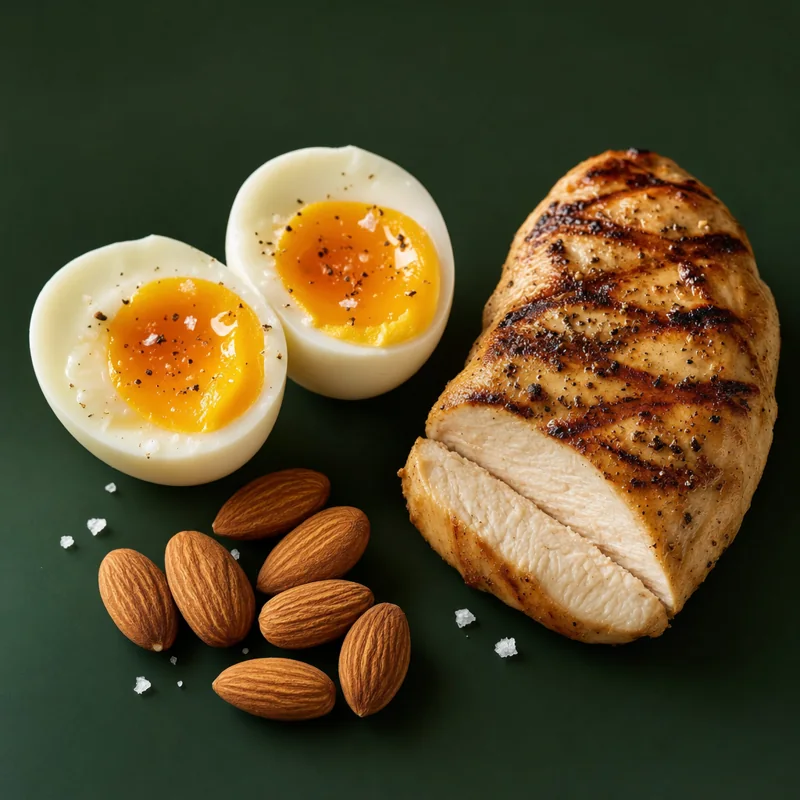
Protein
Protease
cuts it into amino acids
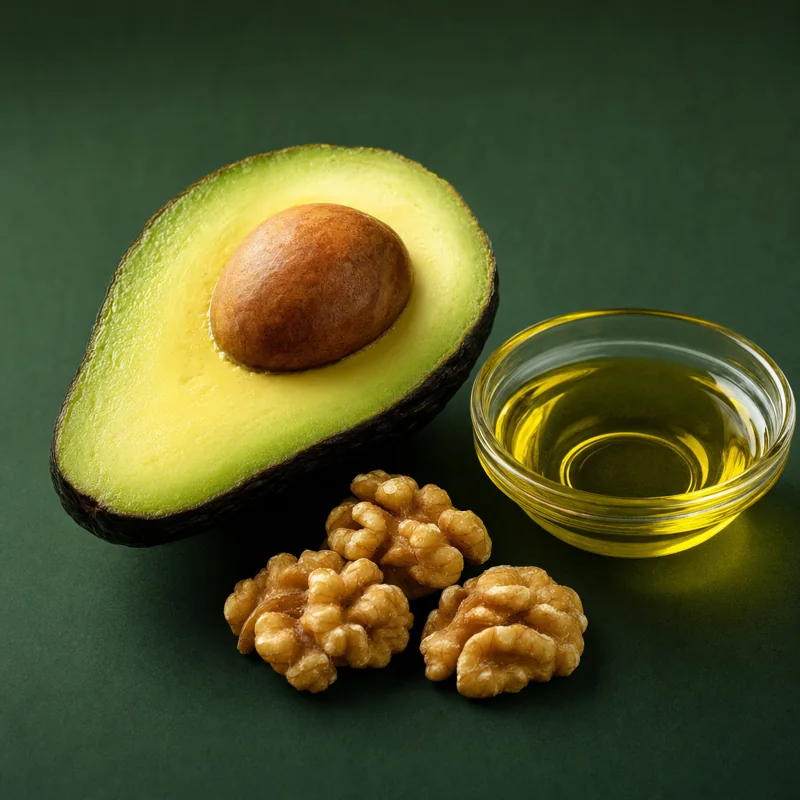
Fat
Lipase
cuts it into fatty acids
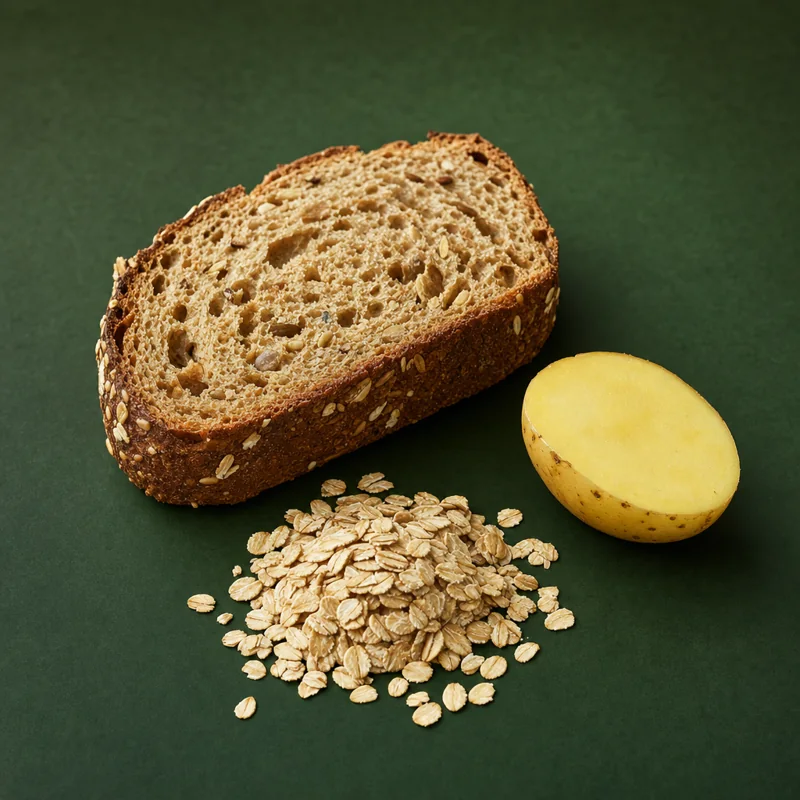
Starch
Amylase
cuts it into simple sugars
Each enzyme cuts one kind of bond and ignores the rest. Your pancreas is the main factory.
03Enzymes you can eat: bromelain and papain
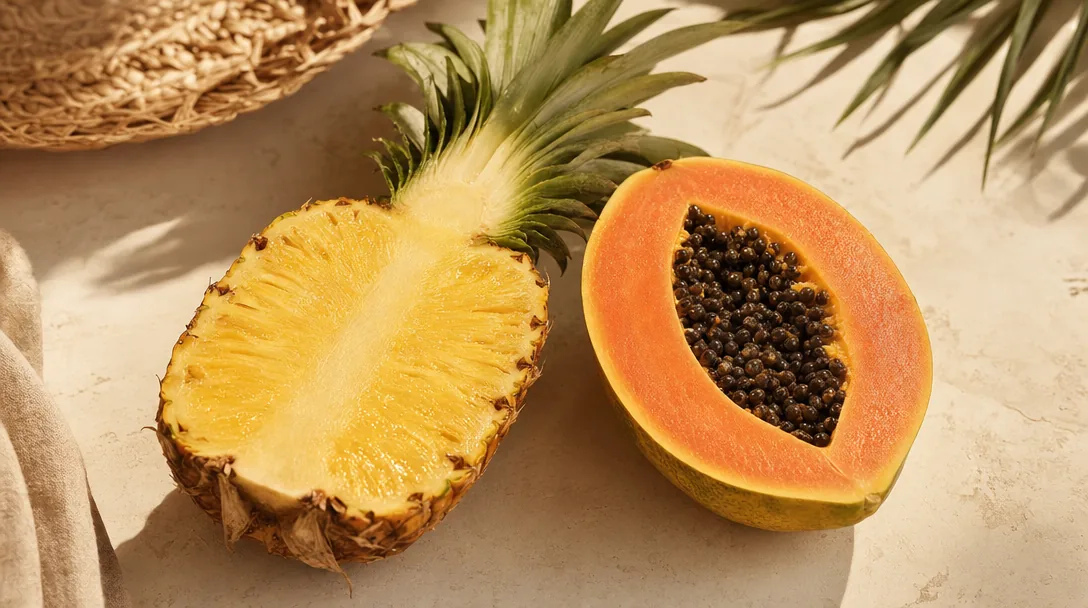
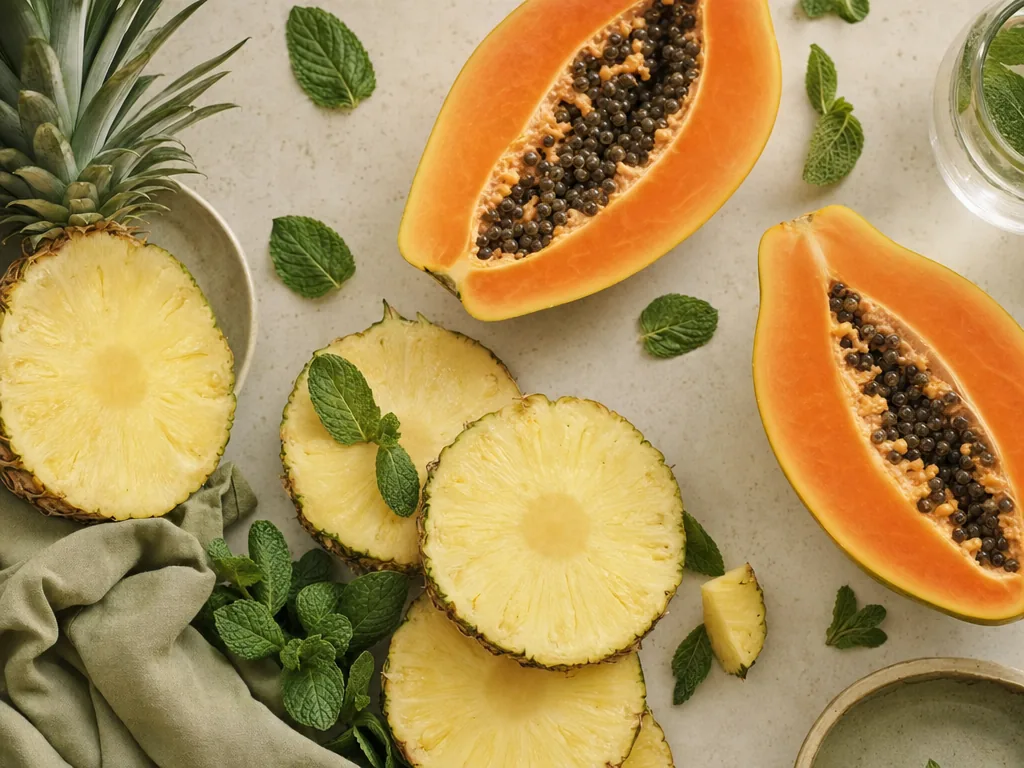
Plants make proteolytic enzymes of their own, and two are famous for it. Bromelain, concentrated in pineapple stems, and papain, from papaya, both break down protein. 1 It is the same reason fresh pineapple ruins gelatin desserts and doubles as a meat tenderizer.
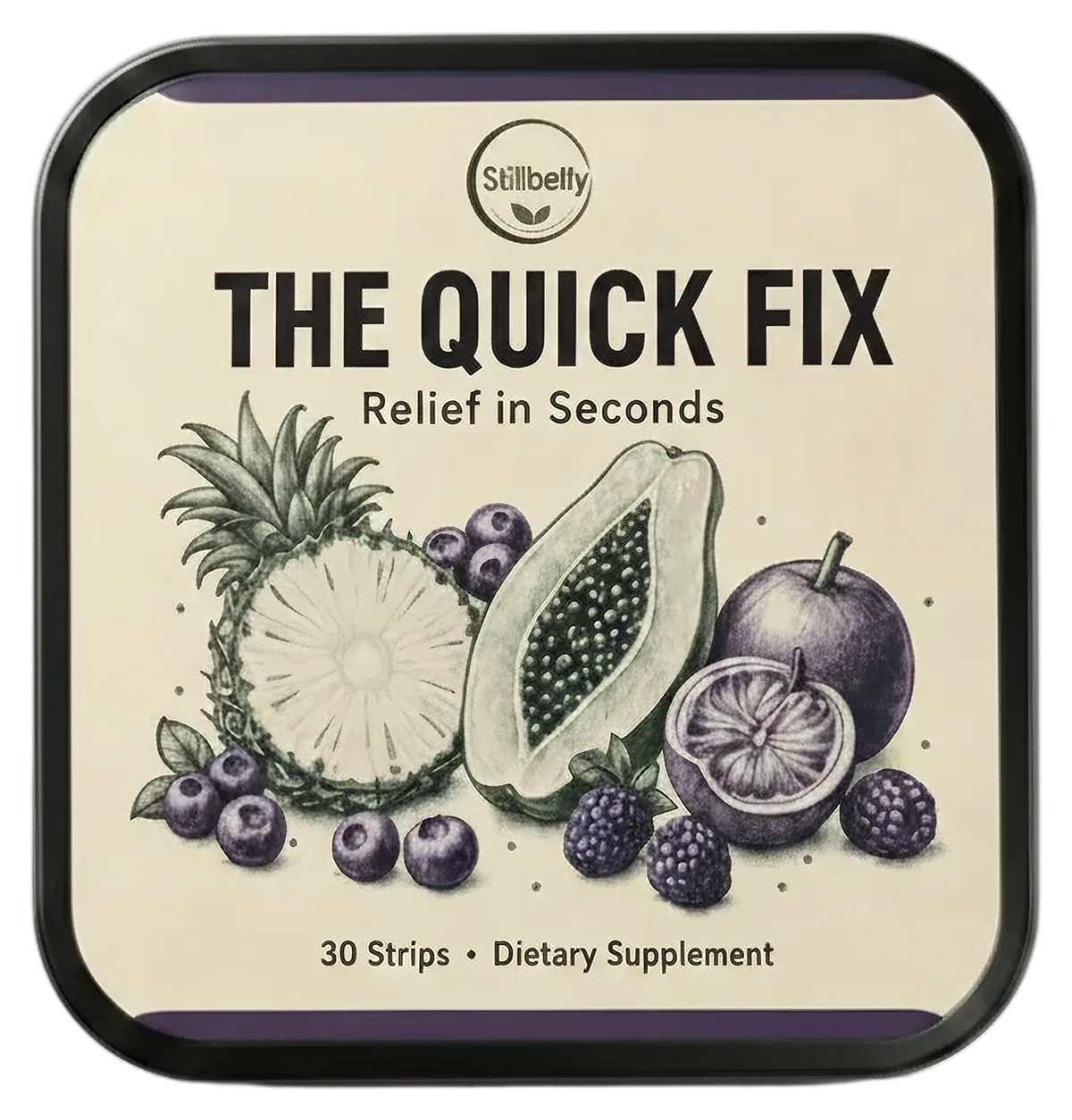
Both have been studied for how they behave in the human body, which is exactly why they anchor The Quick Fix.
04What happens when your enzymes fall behind
Most of the time your system keeps up. But big meals, fatty meals, eating late, and eating fast can all outpace it. The result is that familiar heavy, too-full feeling: food sitting longer than it should, waiting on a workforce that is behind schedule, and eventually fermenting into gas.
Age and stress tilt the odds too. Enzyme output tends to ease off gradually as we get older, and your body prioritizes digestion only when it feels calm. Eat a big meal while rushed or tense and you are asking a distracted workforce to handle a rush order. That is one reason the same dinner can sit fine on a relaxed evening and sit like a brick on a stressful one.
05Do enzyme supplements actually work?
They only matter if they are active when the food is there. A capsule has to survive the stomach and open at the right moment. A strip that dissolves on your tongue skips the line and starts working in seconds.
That is the whole reason The Quick Fix is a fast-dissolving strip built around bromelain and papain, even though a strip is harder to manufacture than a pill.
The bottom line
Enzymes are the scissors that cut food into absorbable pieces. When a big or fast meal outpaces your own supply, a fast-acting enzyme taken with the meal picks up the slack.
From this article
The Quick Fix
Bromelain and papain in a fast-dissolving strip.
Shop →Frequently asked questions
What do digestive enzymes do?
They break the food you eat into molecules small enough to absorb: protease cuts protein, lipase cuts fat, and amylase cuts starch.
What does bromelain do?
Bromelain is a protein-digesting enzyme from pineapple stems. It has been studied for helping break down protein in the gut, which is why it is used in digestive strips.
Do enzyme supplements actually work?
They can help when taken with a meal, but only if they are active while food is present. Fast-dissolving formats have an advantage over capsules that must first survive the stomach.
When should I take digestive enzymes?
With or right after a meal, especially a large or heavy one, so they are working while the food is still being digested.
Peer-reviewed & published in


Bromelain is a proteolytic enzyme studied for protein digestion
Pavan R et al.
Read the 2012 studySources are peer-reviewed research on the topics discussed, not studies of finished Stillbelly products. These statements have not been evaluated by the FDA.
Educational content, not medical advice. These statements have not been evaluated by the FDA. Talk to your healthcare provider about persistent digestive symptoms.