Fermented foods and your daily routine
Long before anyone could see a microbe, cultures around the world were fermenting food to keep it from spoiling. The health part came later. Here is how fermented foods actually work, which ones are worth starting with, and how they fit next to a probiotic.
Grounded in 3 peer-reviewed studiesThe quick version
Key takeaways
- Fermented foods are transformed by live bacteria and yeasts.
- Fermentation is predigestion; it lowers lactose and preserves the food.
- Choose refrigerated, unpasteurized versions for live cultures.
- Food gives variety, a supplement gives consistency. Use both.
01What are fermented foods?
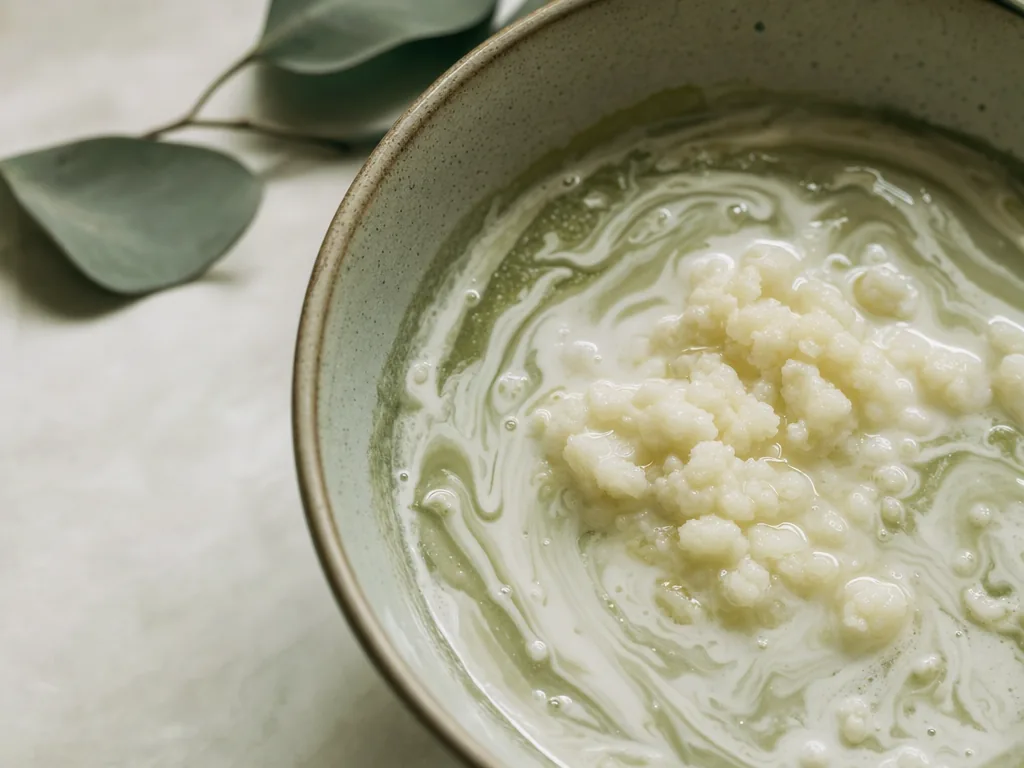
Fermented foods are foods transformed by bacteria and yeasts. Those microbes eat some of the sugars and, along the way, produce acids that preserve the food and reshape its flavor and texture. Yogurt, kefir, kimchi, sauerkraut, and miso are the everyday examples. 1
The reason they matter for your gut is simple: many of them arrive carrying live bacterial cultures, not just the flavor those cultures created. In one controlled Stanford study, a diet rich in fermented foods increased gut microbial diversity and lowered markers of inflammation. 2
02How fermentation actually works
Think of fermentation as controlled predigestion. Microbes break down parts of the food before you ever eat it. In dairy, they consume much of the lactose, which is why some people who struggle with milk handle yogurt and kefir just fine. 3
That same process is why fermented foods keep. The acids the microbes produce make the environment inhospitable to the bacteria that cause spoilage. Preservation came first; the gut-health interest came thousands of years later.
03The best fermented foods to start with
You do not need to love every fermented food to benefit. Pick one or two you will actually eat, and keep them in rotation. A few reliable entry points:

Yogurt
Live-culture dairy
the familiar, gentle entry point

Kefir
Cultured milk drink
more strains, drinkable, a little tangier

Kimchi
Fermented vegetables
plant-based, bold flavor, no dairy
For the live-culture benefit, choose refrigerated, unpasteurized versions and look for 'live and active cultures' on the label.
04Fermented foods vs a probiotic supplement
This is not a competition, because they do different jobs. Fermented foods give you variety and the whole ecosystem the culture grew in. A supplement gives you specific strains at a specific dose, every single day, whether or not dinner cooperated.
- Food brings diversity, but the exact strains and counts vary batch to batch.
- A supplement brings consistency: the same strains at the same dose daily.
- The sensible answer for most people is both, not one or the other.
05Fitting them into your routine
Consistency beats intensity. A serving or two most days, alongside fiber-rich plants, does more than an occasional heroic effort. Watch the label, though: a raw sauerkraut from the refrigerated case is a different food from the shelf-stable jar that was pasteurized into sterility.
If you are eating fermented food partly for the microbes, look for 'live and active cultures' and buy from the cold section. Then let The Shield cover the days your plate does not.
The bottom line
Fermented foods bring live cultures and variety; a probiotic brings a defined dose every day. Eat them from the cold section, keep it consistent, and use both rather than choosing.

From this article
The Shield
Specific strains at a consistent daily dose.
Shop →Frequently asked questions
Are fermented foods the same as probiotics?
Not exactly. Fermented foods often contain live cultures, but the specific strains and amounts vary. A probiotic supplement delivers defined strains at a defined dose every day, which food cannot guarantee.
Which fermented foods have the most live cultures?
Refrigerated, unpasteurized products like fresh kefir, raw sauerkraut, kimchi, and live-culture yogurt tend to carry the most. Shelf-stable versions are often pasteurized, which kills the cultures.
Can I eat fermented foods if I am lactose intolerant?
Many people who are sensitive to milk tolerate yogurt and kefir because fermentation consumes much of the lactose. Non-dairy options like kimchi and sauerkraut avoid the issue entirely.
How often should I eat fermented foods?
A serving or two on most days is a realistic target. Consistency matters more than any single large portion, and pairing them with fiber-rich plants helps the cultures thrive.
Peer-reviewed & published in




ISAPP consensus definition of fermented foods
Marco ML et al.
Read the 2021 studyA fermented-food diet increased microbiome diversity and lowered inflammation
Wastyk HC et al.
Read the 2021 studyFermentation lowers lactose and improves tolerance
Savaiano DA
Read the 2014 studySources are peer-reviewed research on the topics discussed, not studies of finished Stillbelly products. These statements have not been evaluated by the FDA.
Educational content, not medical advice. These statements have not been evaluated by the FDA. Talk to your healthcare provider about persistent digestive symptoms.