Leaky gut: what the evidence actually says
'Leaky gut' is everywhere online, blamed for nearly everything. So what is actually true? Your gut lining really is meant to be selectively permeable, and increased permeability is a real research topic. But the science is younger and more cautious than the marketing. Here is the honest version.
Grounded in 2 peer-reviewed studiesThe quick version
Key takeaways
01What is 'leaky gut'?
Your intestines are lined by a single layer of cells held together by tight junctions. This barrier is meant to be selective: it lets water and nutrients cross while holding back most bacteria and larger particles. 1
'Leaky gut' is the popular name for increased intestinal permeability, when that barrier lets more through than it should. The clinical term is intestinal hyperpermeability. 2
02What the evidence actually says
Increased intestinal permeability is real, measurable in research settings, and associated with several conditions. What is far less settled is cause and effect: whether a leaky barrier drives disease, results from it, or both, is still being worked out. 1
In other words, the biology is sound; the sweeping claims are ahead of the evidence.
1 cell
thick: the gut lining barrier
selectively permeable by design
Emerging
human evidence on 'leaky gut'
promising but early
None
validated at-home leaky-gut test
be skeptical of kits
Educational only. Intestinal permeability is an active research area, not a diagnosis you can self-assess.
03Where the hype outruns the science
There is no validated at-home test for leaky gut, and there is no proven supplement that seals the barrier on demand. Products promising a fast leaky-gut cure are selling certainty the research does not yet support.
04How to support your gut barrier
The unglamorous fundamentals are also what the barrier likes. A diverse, fiber-rich diet feeds the bacteria that produce short-chain fatty acids, which help nourish the cells of the gut lining.
- Eat plenty of fiber and a wide variety of plants.
- Include fermented foods you tolerate.
- Limit the things that clearly irritate your gut, and manage stress and sleep.
- See a doctor for persistent or severe digestive symptoms rather than self-treating a 'leaky gut.'
The bottom line
Leaky gut, as biology, is real and worth studying. Leaky gut, as a diagnosis you buy a cure for, is not there yet. Feed your gut well and take persistent symptoms to a doctor.
From this article
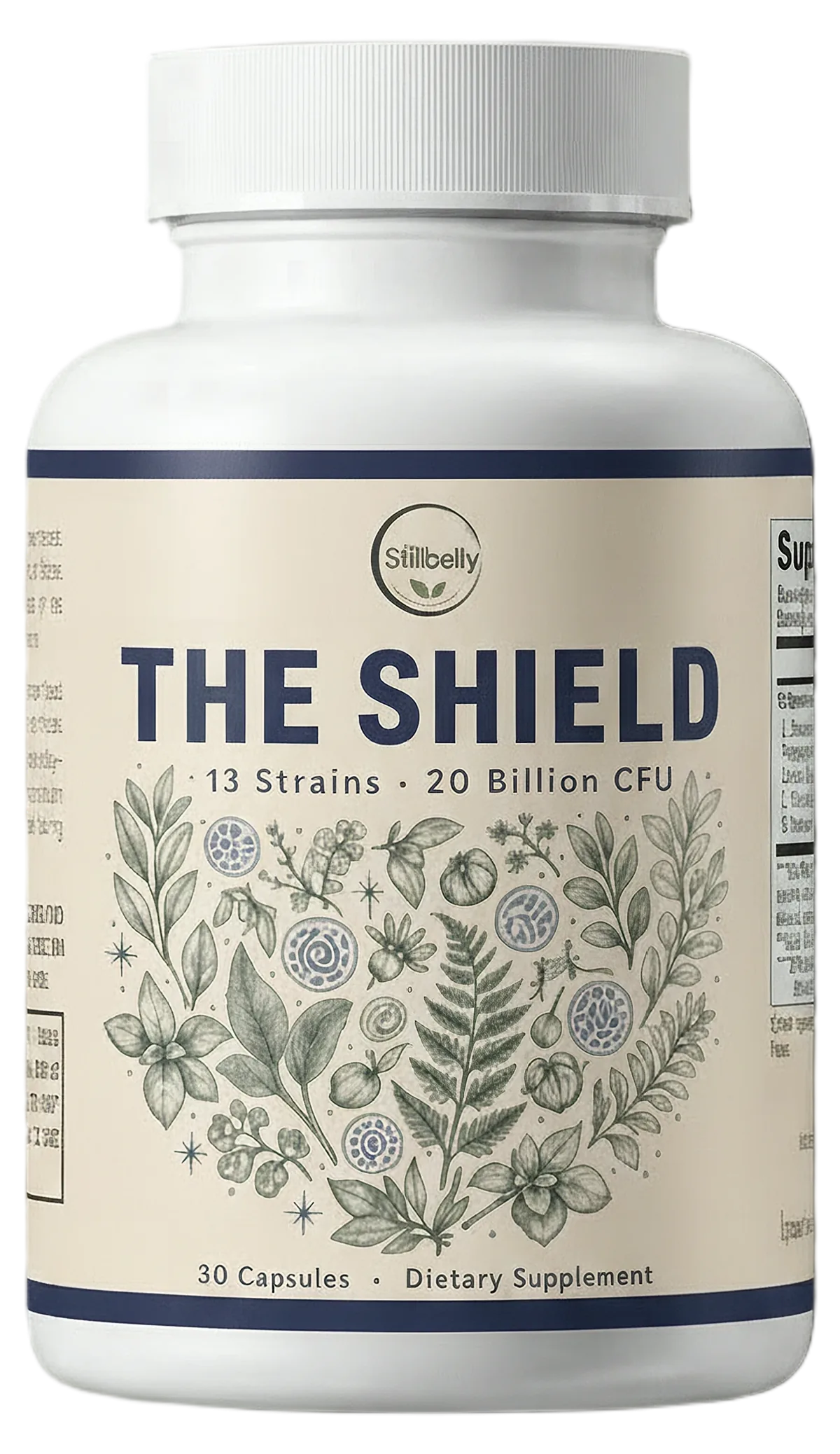
The Shield
13 strains to support a balanced gut lining.
Shop →Frequently asked questions
Is leaky gut a real thing?
Increased intestinal permeability is a real, measurable phenomenon studied in research. The popular 'leaky gut syndrome' as a catch-all diagnosis and its miracle cures are not well supported.
How do I know if I have leaky gut?
You cannot reliably know from home. There is no validated consumer test. Persistent digestive symptoms should be evaluated by a doctor rather than self-diagnosed as leaky gut.
Can you heal a leaky gut?
There is no proven quick fix. Supporting the gut barrier with a diverse, fiber-rich diet, fermented foods, and good sleep and stress habits is the evidence-aligned approach.
What foods help a leaky gut?
Fiber-rich plants and fermented foods support the bacteria and short-chain fatty acids that nourish the gut lining. No single food seals the barrier on its own.
Peer-reviewed & published in



Mechanisms, measurement, and clinical implications of increased intestinal permeability
Camilleri M
Read the 2019 studyIntestinal permeability and barrier function review
Bischoff SC et al.
Read the 2014 studySources are peer-reviewed research on the topics discussed, not studies of finished Stillbelly products. These statements have not been evaluated by the FDA.
Educational content, not medical advice. These statements have not been evaluated by the FDA. Talk to your healthcare provider about persistent digestive symptoms.