Prebiotic fiber: what it is and how much you need
Probiotics get all the headlines, but prebiotic fiber does the quiet work: it is the fuel your beneficial gut bacteria actually eat. Here is what prebiotic fiber is, why it matters more than most people realize, and how far short most of us fall.
Grounded in 2 peer-reviewed studiesThe quick version
Key takeaways
- Prebiotic fiber is the fuel your good gut bacteria eat.
- Soluble fiber feeds bacteria; insoluble fiber adds bulk.
- Most people eat roughly half the recommended fiber.
- Increase fiber gradually, with water, and lean on whole plants first.
01What is prebiotic fiber?
Fiber is the part of plants your own enzymes cannot cut. For a long time nutrition treated it as packing material. It is not. Prebiotic fiber is a specific kind: fiber that your gut bacteria demonstrably eat, and that produces good things downstream when they do.
When microbes ferment prebiotic fiber, they release short-chain fatty acids that nourish the cells lining your colon. In other words, you are not just feeding yourself. You are feeding the ecosystem that keeps digestion running.
02Soluble vs insoluble fiber
Fiber comes in two forms, and the difference is worth knowing:
- Insoluble fiber is the rough stuff, like bran and vegetable skins. It adds bulk and keeps things moving. 2
- Soluble fiber dissolves into a gel, slows digestion down in a good way, and, crucially, feeds bacteria.
03Why fiber feeds your gut bacteria
Prebiotics are a subset of soluble fiber with a fan club: inulin from chicory and Jerusalem artichoke, psyllium husk, and a few others. The label 'prebiotic' simply means the resident bacteria eat it and beneficial effects follow. 1
This is the part probiotics cannot do alone. You can add bacteria all day, but if you do not feed them, they cannot thrive.
04Almost nobody eats enough
This is the uncomfortable part. Most people fall well short of the recommended intake, and it is not close.
what dietary guidelines suggest
roughly half of the target
Dietary guidelines recommend roughly 25 to 38 grams of fiber a day. National surveys put the average US adult at around 15, with only single digits of adults hitting the target.
05Best sources of prebiotic fiber
Build intake gradually and with plenty of water, so the transition stays comfortable. The Cleanse leans on psyllium and inulin for exactly this reason, but think of it as a supplement to a plant-heavy plate, not a substitute for one.
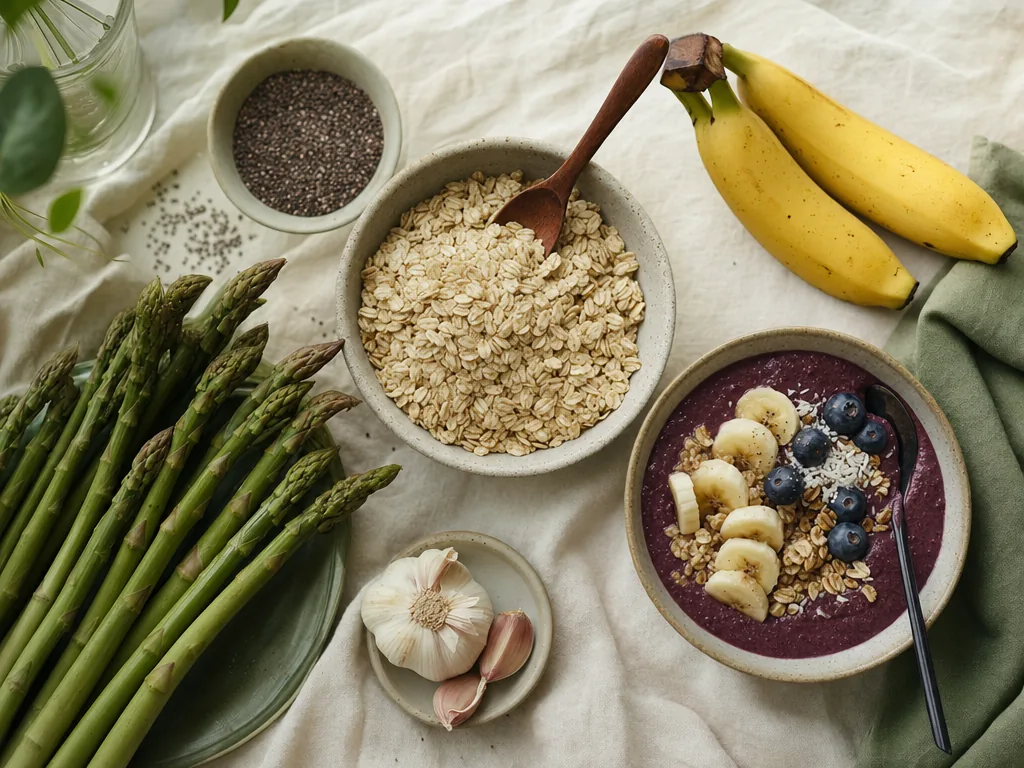
- Chicory root and Jerusalem artichoke, the richest natural inulin sources.
- Onions, garlic, leeks, and asparagus.
- Oats, barley, and legumes.
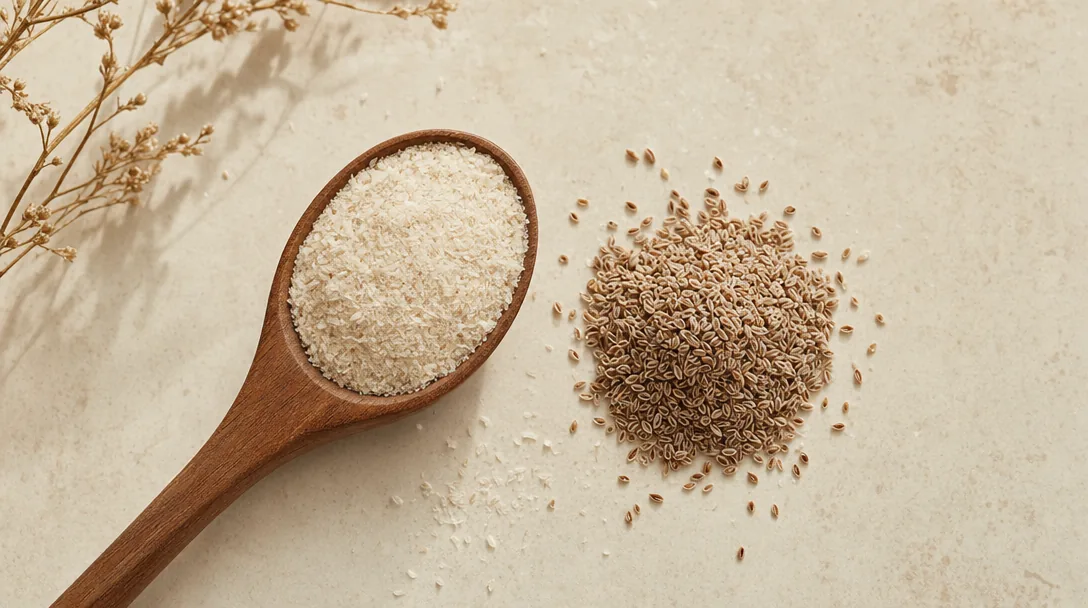
- Psyllium husk, for gentle bulk and regularity.
Free tool
How much fiber do you need?
On a normal day, how many of each?
Vegetables
1 = a cup of salad or ½ cup cooked
Whole fruit
1 = an apple, banana, or a cup of berries
Whole grains
1 = a slice of bread or ½ cup oats/rice
Beans, lentils, peas
1 = ½ cup cooked
Nuts & seeds
1 = a small handful
25g
your daily target
13g
your estimate
12g
short per day
You're well short, which is true for most people. Build up slowly, with water.
Estimates only, for general education. Targets follow U.S. dietary guidance (about 25g/day for women and 38g/day for men under 50, a little less after 50). Not medical advice.
The bottom line
Prebiotic fiber is the fuel your good bacteria eat, and most people fall well short. Feed the ecosystem first with plants and fiber; a probiotic works far better on a well-fed gut.
From this article
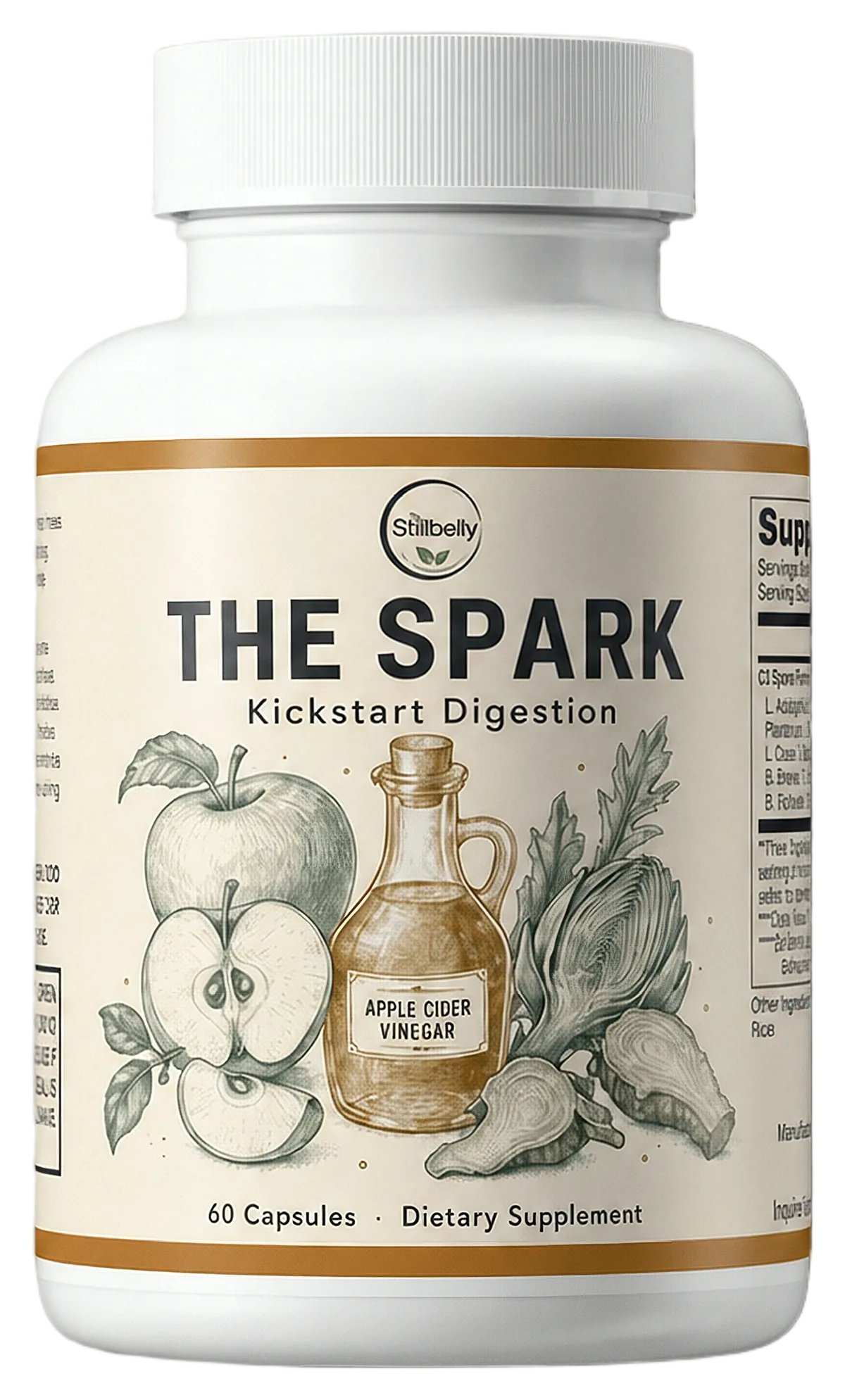
The Spark
Adds prebiotic inulin to feed the good bacteria in your gut.
Shop →Frequently asked questions
What is the difference between prebiotics and probiotics?
Probiotics are live beneficial bacteria; prebiotics are the fiber those bacteria eat. Probiotics add residents, prebiotics feed the ones you already have. You want both.
How much fiber should I eat per day?
Dietary guidelines recommend roughly 25 to 38 grams a day, yet the average adult eats only about 15. Build up gradually to avoid discomfort.
What foods are highest in prebiotic fiber?
Chicory root and Jerusalem artichoke are the richest in inulin, followed by onions, garlic, leeks, oats, and legumes. Psyllium husk is a convenient supplemental source.
Can I get enough prebiotics from supplements alone?
Supplements like inulin and psyllium help, but they work best alongside a varied, plant-heavy diet rather than as a replacement for one.
Peer-reviewed & published in



Fiber and prebiotics: mechanisms and health benefits
Slavin J
Read the 2013 studyEvidence-based review of soluble versus insoluble fiber
McRorie JW Jr et al.
Read the 2017 studySources are peer-reviewed research on the topics discussed, not studies of finished Stillbelly products. These statements have not been evaluated by the FDA.
Educational content, not medical advice. These statements have not been evaluated by the FDA. Talk to your healthcare provider about persistent digestive symptoms.