Psyllium husk: benefits and how to take it
Psyllium husk is one of the most studied, most useful, and least glamorous fibers there is. Here is what it actually does, why it works in both directions, and how to take it without making things worse.
Grounded in 2 peer-reviewed studiesThe quick version
Key takeaways
01What is psyllium husk?
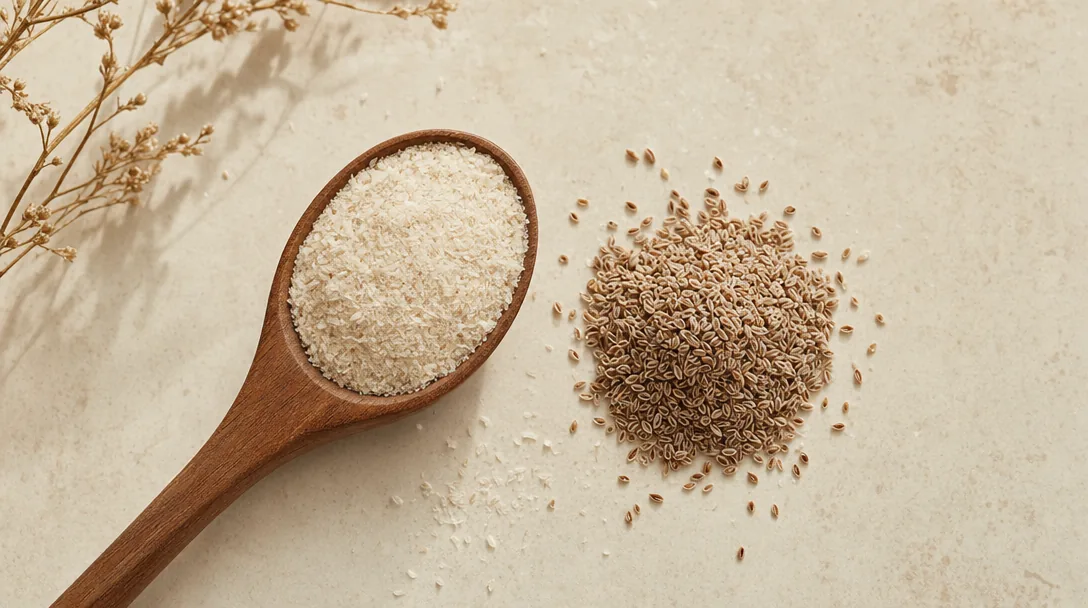
Psyllium is the husk of Plantago ovata seeds. It is a soluble, gel-forming fiber, which is the key to almost everything it does: in water, it absorbs many times its weight and turns into a soft gel. 1
02What psyllium does
That gel is a quiet multitasker. It adds bulk and holds water in the stool, which is why psyllium helps with constipation. The same gel slows and firms things when stool is too loose, so it works in both directions. 1
As a soluble fiber, it also supports healthy cholesterol levels as part of a fiber-rich diet, and it feeds beneficial gut bacteria. 2
Soluble
gel-forming soluble fiber
it holds water and forms a gel
Both ways
helps constipation and loose stool
the gel normalizes both
Water
take it with
always, and plenty of it
Psyllium is a gel-forming soluble fiber. Always take it with a full glass of water.
03How to take it
- Always take it with a full glass of water, and drink water through the day.
- Start with a small dose and build up over a week or two.
- Take it apart from medications, which fiber can bind.
- Consistency matters more than a big one-off dose.
04Who it suits
Most people who want gentler, more predictable regularity do well with psyllium. If you have a known swallowing issue or a bowel condition, check with your doctor first, and never take it dry.
Free tool
How much fiber do you need?
On a normal day, how many of each?
Vegetables
1 = a cup of salad or ½ cup cooked
Whole fruit
1 = an apple, banana, or a cup of berries
Whole grains
1 = a slice of bread or ½ cup oats/rice
Beans, lentils, peas
1 = ½ cup cooked
Nuts & seeds
1 = a small handful
25g
your daily target
13g
your estimate
12g
short per day
You're well short, which is true for most people. Build up slowly, with water.
Estimates only, for general education. Targets follow U.S. dietary guidance (about 25g/day for women and 38g/day for men under 50, a little less after 50). Not medical advice.
The bottom line
Psyllium is boring in the best way: a well-studied soluble fiber that steadies regularity in both directions. Just respect the water, and build up gradually.
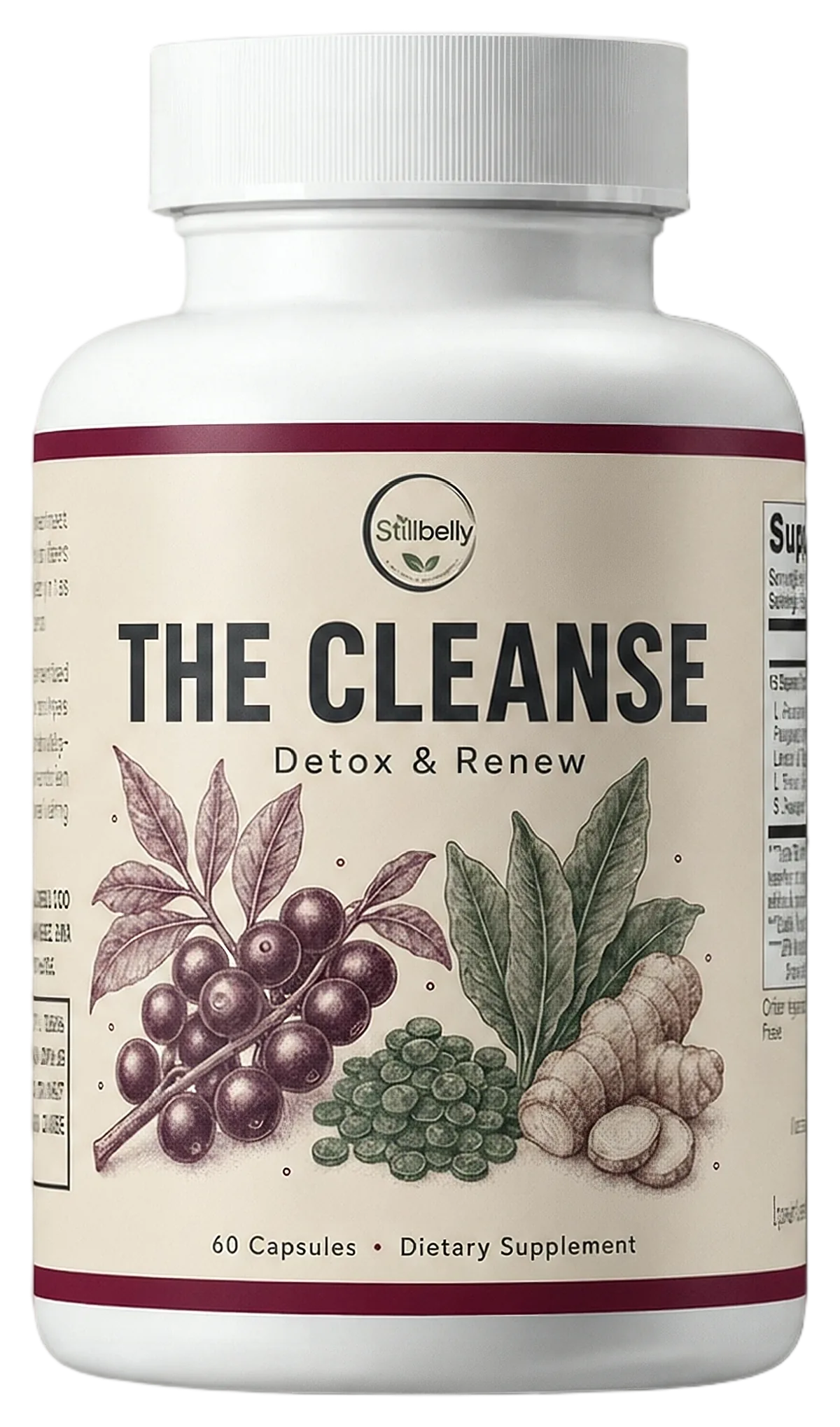
From this article
The Cleanse
Psyllium and inulin for gentle regularity.
Shop →Frequently asked questions
What does psyllium husk do?
It is a soluble, gel-forming fiber. The gel adds bulk and holds water, which helps both constipation and loose stool, supports healthy cholesterol, and feeds beneficial gut bacteria.
How do I take psyllium husk?
Mix it into a full glass of water and drink it promptly, then drink more water. Start with a small dose and increase gradually over a week or two, and take it apart from medications.
Does psyllium help you lose weight?
Psyllium can increase fullness as part of a meal, but it is not a weight-loss product. Its main, well-supported roles are regularity and cholesterol support.
Can you take psyllium every day?
Yes, daily use is common and consistency helps. Just take it with enough water and build the dose up slowly to avoid gas or bloating.
Peer-reviewed & published in



Evidence-based review of soluble, gel-forming fiber including psyllium
McRorie JW Jr et al.
Read the 2017 studySoluble fiber lowers total and LDL cholesterol (meta-analysis)
Brown L et al.
Read the 1999 studySources are peer-reviewed research on the topics discussed, not studies of finished Stillbelly products. These statements have not been evaluated by the FDA.
Educational content, not medical advice. These statements have not been evaluated by the FDA. Talk to your healthcare provider about persistent digestive symptoms.