Inulin: the prebiotic in chicory root
Inulin turns up on a lot of gut-health labels, including ours. So what is it? It is a prebiotic fiber from chicory root that your gut bacteria feed on, and it is one of the best-studied ways to nourish your microbiome. Here is the plain-English version.
Grounded in 3 peer-reviewed studiesThe quick version
Key takeaways
01What is inulin?
Inulin is a fructan: a chain of fructose molecules your digestive enzymes cannot break down. That is the point. It passes through your small intestine intact and reaches your colon, where your resident bacteria ferment it. That makes it a prebiotic, a fiber that selectively feeds beneficial microbes. 1
Prebiotic
what inulin is
fiber your bacteria eat
Chicory
richest natural source
plus onions, garlic, leeks
Slowly
how to add it
too much too fast means gas
Inulin is a fructan-type prebiotic fiber. Increase it gradually to stay comfortable.
02What inulin does
When your bacteria ferment inulin, they multiply and produce short-chain fatty acids that nourish the cells lining your colon. Human studies of inulin-type fructans show they can shift the microbiome toward beneficial groups like Bifidobacteria and support regularity. 2 3
03Where to get it
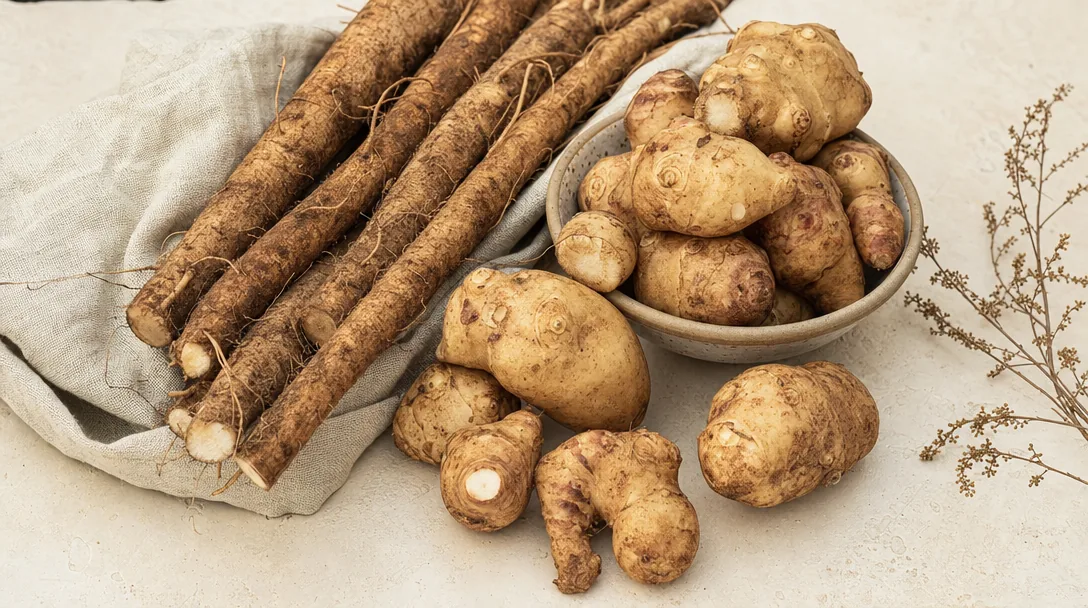
- Chicory root and Jerusalem artichoke, the richest natural sources.
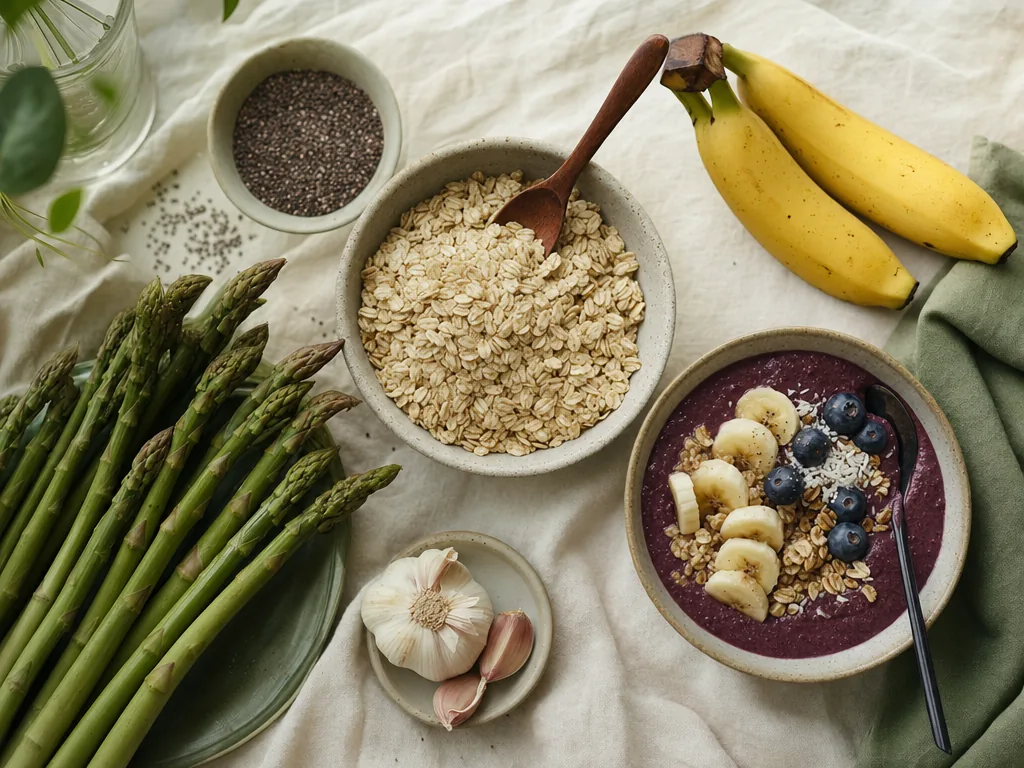
- Onions, garlic, leeks, and asparagus.
- Added inulin in foods and supplements like The Spark and The Cleanse.
04How to add it without the gas
Because inulin is so fermentable, adding a lot at once can leave you gassy while your bacteria adjust. Start with a small amount, increase gradually over a week or two, and drink water. The discomfort is usually a sign you went too fast, not that inulin is wrong for you.
Free tool
How much fiber do you need?
On a normal day, how many of each?
Vegetables
1 = a cup of salad or ½ cup cooked
Whole fruit
1 = an apple, banana, or a cup of berries
Whole grains
1 = a slice of bread or ½ cup oats/rice
Beans, lentils, peas
1 = ½ cup cooked
Nuts & seeds
1 = a small handful
25g
your daily target
13g
your estimate
12g
short per day
You're well short, which is true for most people. Build up slowly, with water.
Estimates only, for general education. Targets follow U.S. dietary guidance (about 25g/day for women and 38g/day for men under 50, a little less after 50). Not medical advice.
The bottom line
Inulin is prebiotic fiber in its most studied form: fuel your bacteria genuinely thrive on. Ramp it up slowly and it is one of the easiest ways to feed your gut.
From this article
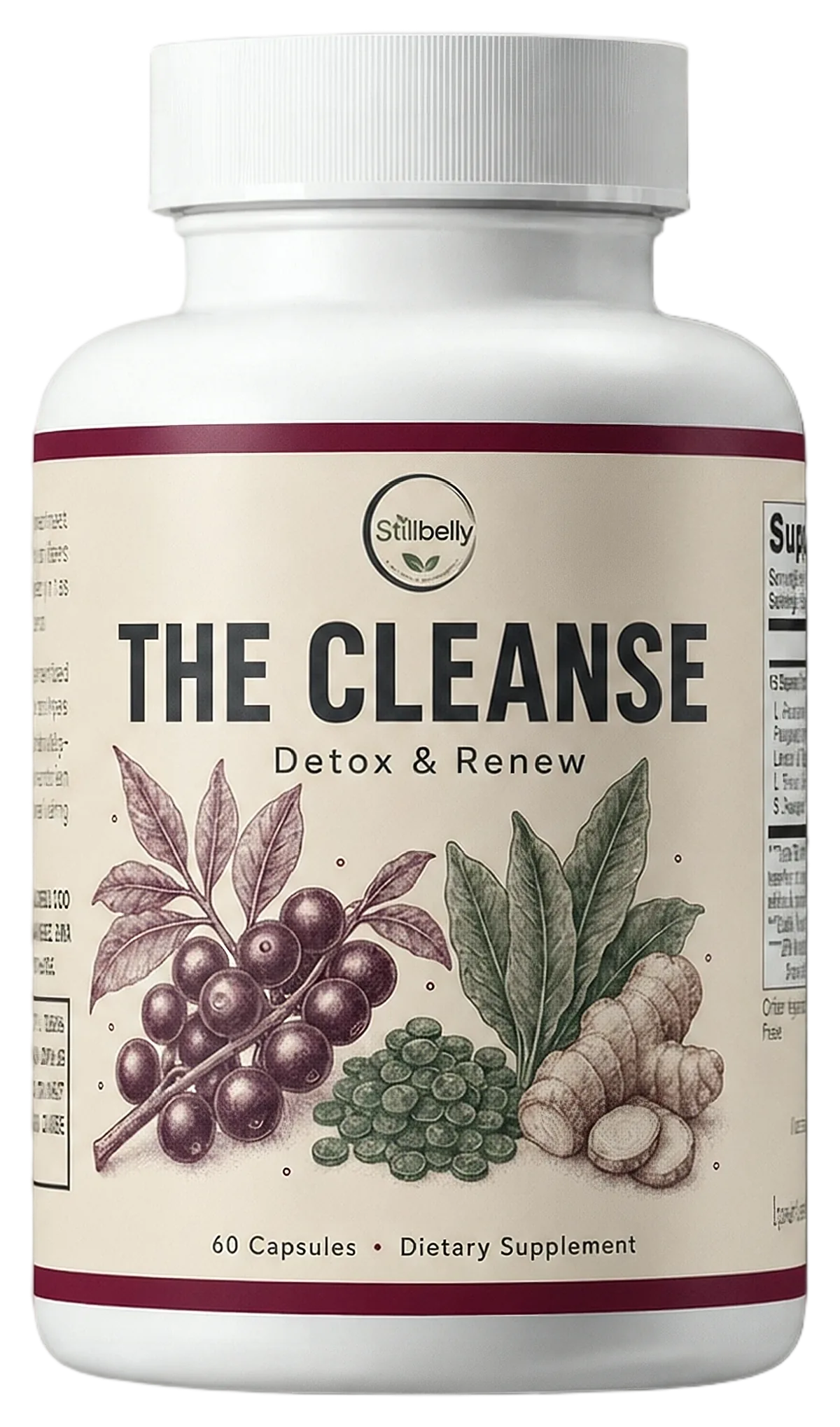
The Cleanse
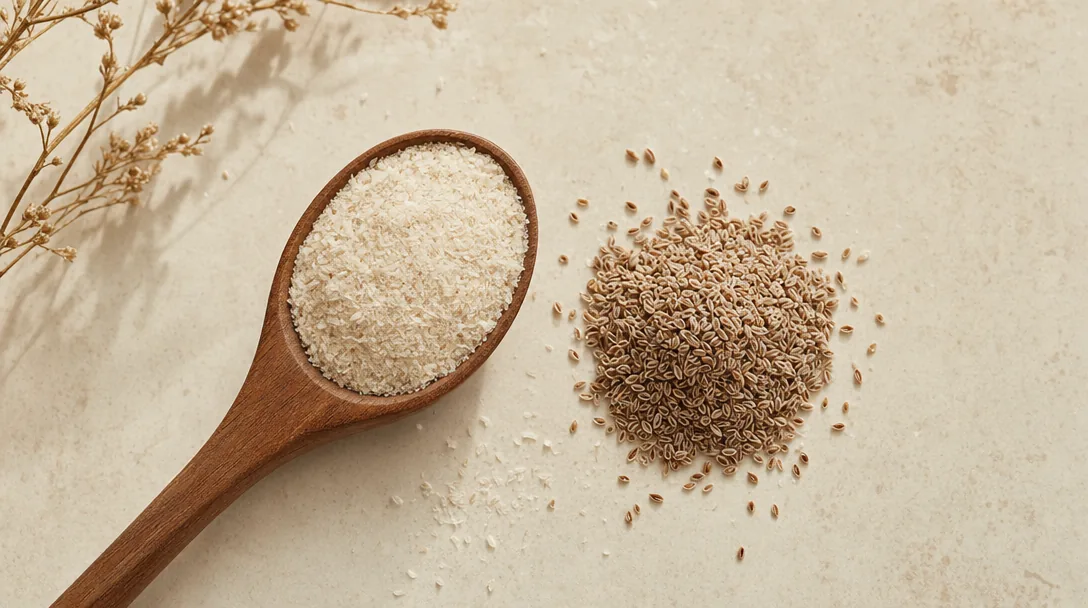
Inulin and psyllium to feed your good bacteria.
Shop →Frequently asked questions
What is inulin and what does it do?
Inulin is a prebiotic fiber (a fructan) from chicory root and vegetables. Your body cannot digest it, so it reaches your colon and feeds beneficial gut bacteria, which ferment it into compounds that nourish the gut lining.
What foods are high in inulin?
Chicory root and Jerusalem artichoke are the richest, followed by onions, garlic, leeks, and asparagus. It is also added to some foods and supplements.
Does inulin cause gas?
It can if you add too much too quickly, because it is highly fermentable. Starting small and increasing gradually over a week or two usually prevents that.
Is inulin good for your gut?
Yes. It is one of the best-studied prebiotics, and human research shows it can shift the microbiome toward beneficial bacteria and support regularity when introduced gradually.
Peer-reviewed & published in




Fiber and prebiotics: mechanisms and health benefits
Slavin J
Read the 2013 studySystematic review of the prebiotic potential of inulin-type fructans in humans
Hughes RL et al.
Read the 2022 studyInulin-type fructans induce specific gut microbiota changes in a human trial
Vandeputte D et al.
Read the 2017 studySources are peer-reviewed research on the topics discussed, not studies of finished Stillbelly products. These statements have not been evaluated by the FDA.
Educational content, not medical advice. These statements have not been evaluated by the FDA. Talk to your healthcare provider about persistent digestive symptoms.